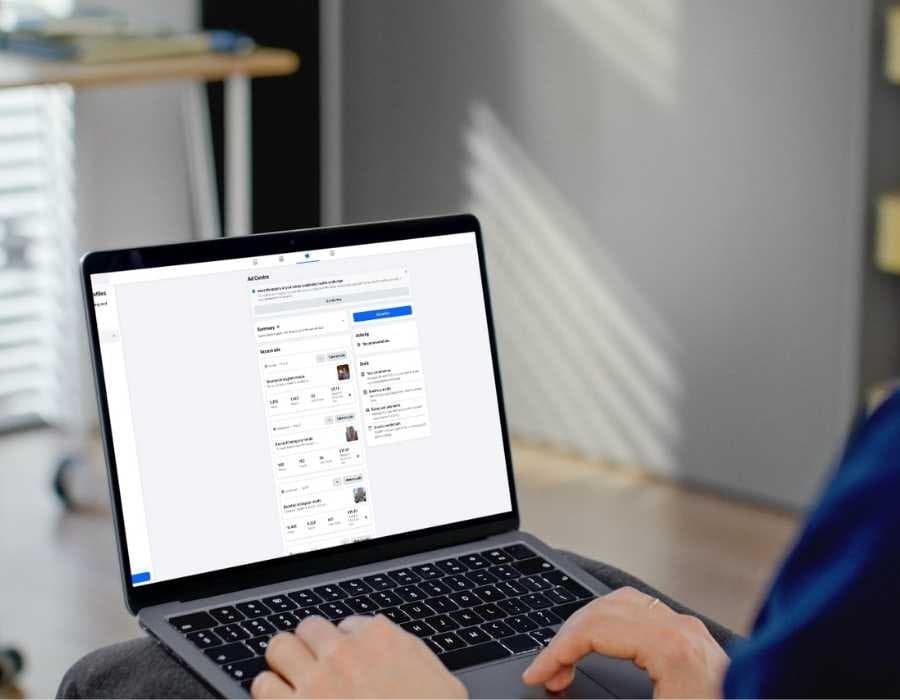
Facebook for therapists works best as a local trust-builder: a complete Business Page, helpful posts once or twice a week, and respectful participation in local community groups. Facebook ads can work well for intake dates, workshops and training cohorts, but Meta's rules mean you can't target people by mental health condition or imply that a viewer is struggling.
Is Facebook still worth it for therapists?
For many practices, yes — though not in the way it was ten years ago. Organic reach for Business Pages is low, so you shouldn't expect every post to be seen by every follower. Where Facebook still earns its place is in three areas: as a credible, checkable presence when someone looks you up after a recommendation; as a way into local community groups where people ask for therapist recommendations; and as the platform behind Meta advertising, which reaches both Facebook and Instagram.
If your clients are mostly under 25, or you work entirely online and nationally, Facebook will probably be a secondary channel at best. If you're a counsellor in a market town, a couples therapist, a child and family psychologist or a training provider, it's often one of the most useful platforms you have.
How do I set up a Facebook Business Page as a therapist?
Keep your personal profile private and create a separate Page for your practice. A Page is public, can run ads, and keeps clients and prospective clients away from your family photos. You manage it from your personal account, but nobody can see which personal account owns it.
- —Name: your practice name, or 'Firstname Surname Counselling' if you trade under your own name. Avoid stuffing keywords into the name.
- —Category: choose the closest match — 'Counsellor', 'Psychotherapist', 'Psychologist' or 'Mental Health Service' are typical options at the time of writing (October 2026).
- —Profile photo: a clear headshot or your logo, sized at least 320 x 320 px. If you're a solo practitioner, your face usually works better than a logo.
- —Cover photo: a calm image of your room, your building, or a simple branded banner with one line about who you help.
- —Bio/intro: who you help, where, and how — 'Counselling for anxiety, low mood and life transitions in Bedford and online. BACP registered.'
- —Contact details and website: link to your contact page and add a 'Book now', 'Send message' or 'Learn more' action button pointing to your website.
- —Location and service area: add your address if clients visit, or just a service area if you work from home or online.
- —Reviews: think carefully about whether to leave recommendations switched on. Some professional bodies' guidance is cautious about soliciting client testimonials, and you can usually turn reviews off in the Page settings.
Use Meta Business Suite to schedule posts in advance and see Facebook and Instagram messages in one inbox. Set an automated instant reply so anyone who messages knows when you'll respond and that the inbox isn't monitored for urgent support.
Your cover photo is the biggest piece of branding on the Page, and Facebook crops it differently on mobile and desktop. Read: social media banner sizes and safe zones for therapists →
Can therapists promote themselves in local Facebook groups?
Carefully, and only within each group's rules. Local community groups — '[Town] Mums', '[Town] Community Noticeboard', '[Area] Small Businesses' — are where a lot of real recommendations happen. Someone posts 'Can anyone recommend a counsellor for my teenager?' and twenty people reply with names. Being one of those names, recommended by someone else, is worth more than any number of your own posts.
- —Read the group rules first. Many groups only allow business posts on a set day ('Self-promo Saturday'). Stick to it.
- —Join as yourself, or as your Page where groups allow Pages to participate. Be consistent.
- —Contribute without selling. If someone asks a general question about finding support, a helpful answer about what to look for in a therapist builds more trust than a link to your booking page.
- —When someone asks for a recommendation, it's fine to say briefly that you're a counsellor locally and they're welcome to look at your website. Don't comment repeatedly or tag yourself in every thread.
- —Never respond to someone's disclosure in a public thread with clinical advice. Signpost kindly and, if appropriate, suggest they contact a professional privately.
- —Don't DM people who've posted about their difficulties. It can feel intrusive, even when well meant.
- —Ask the admin whether you can share a free resource occasionally — a local support services list, or a short guide to how counselling works. Admins often welcome genuinely useful posts.
Professional Facebook groups — for counsellors, EMDR practitioners or private practice owners — are useful for peer support and referrals between colleagues, but they're not where clients are. Treat them as networking, not marketing.
What should therapists post on Facebook?
Facebook rewards posts that start conversations and posts that people share. For therapists that usually means warm, practical, local and human. Once or twice a week is plenty for most practices. A simple weekly rhythm might look like this:
| Post type | Example | Why it works on Facebook |
|---|---|---|
| Practical psychoeducation | 'Four signs it might be time to talk to someone about stress at work' | Highly shareable; people tag friends |
| What to expect | 'What happens when you first get in touch with me' with a photo of your room | Lowers the barrier to enquiring |
| Local and seasonal | 'Back-to-school week can be hard on parents too — here's what helps' | Feels relevant to your community |
| Awareness days | A short post for Mental Health Awareness Week with one practical idea | Timely, and groups often share these |
| Behind the practice | 'Why I chose to train in couples therapy' | Builds familiarity with you as a person |
| Availability updates | 'I have two daytime spaces from November — details on my website' | Factual, calm, not scarcity-driven |
Write availability posts factually. 'I have a small number of evening spaces available from January' is fine; 'Only 2 spots left — book now before they're gone!' is scarcity marketing, and it doesn't sit well with the people you want to work with.
For a full year of ideas you can adapt for Facebook, start here. Read: social media post ideas for therapists →
Do Facebook ads work for therapists?
They can, especially for things with a date attached: opening a new practice, launching a group, filling an EMDR training cohort, a workshop, or a seasonal intake. For a steady trickle of one-to-one clients, they're often less efficient than good local SEO. Facebook ads are run through Meta Ads Manager and can appear on both Facebook and Instagram.
The rules you must know
- —Meta's personal attributes policy: your ad can't assert or imply that the viewer has a health condition. 'Are you struggling with depression?' is likely to be rejected; 'Counselling for low mood in Bedford' is the safer framing.
- —You can't target by mental health condition. Meta removed detailed targeting options based on health causes and other sensitive topics, so targeting is mostly by location, age and broader interests.
- —The ASA's CAP Code applies: no claims you can't substantiate, no guarantees of outcomes, no misleading urgency.
- —Your professional body's guidance still applies: be accurate about qualifications, accreditation and what you offer.
Basics that save money
- —Use Ads Manager rather than the 'Boost post' button — you get far more control over objective, placement and audience.
- —Target a realistic radius around your practice (often 10–20 miles for in-person work), or the whole UK for online therapy and training.
- —Send people to a specific landing page on your website, not your homepage or your Facebook Page.
- —Start small — a modest daily budget for two to three weeks — and judge results on enquiries, not clicks.
- —Use a calm, real image (your room, your face, your venue) rather than stock photography of distressed people.
- —Install the Meta Pixel on your website only if your privacy policy and cookie banner cover it, and never track activity on pages that would reveal sensitive information.
For real UK costs, Meta vs Google and when not to advertise at all, read the full guide. Read: advertising for therapists in the UK →
Facebook isn't where therapists go viral. It's where a neighbour types your name into the search bar after a friend recommended you — and what they find there either confirms the recommendation or quietly undoes it.
Adam Watters, Founder, Psyche Creative
How should therapists manage Facebook messages and comments?
Facebook Messenger is not a confidential clinical channel. Use it for first contact only and move conversations to email or your booking system as soon as possible. Set an instant reply such as: 'Thanks for getting in touch. I reply to messages within two working days. This inbox isn't monitored for urgent support — if you need help now, call Samaritans on 116 123 or NHS 111.' Check messages at set times rather than letting notifications run your evening.
On public posts, hide or delete comments that disclose personal details, and reply with warmth and a signpost rather than advice. Keep a short list of saved replies so you're not composing from scratch each time.
If you'd rather someone else kept your Facebook Page active, planned posts around your intake dates and managed the inbox boundaries, that's what we do. See our Social Media Management service →
And when you're ready to run ads for a launch or cohort, we manage Meta campaigns for therapy practices and training providers. See our Advertising service →
Frequently asked questions
Should a therapist use a Facebook Page or a personal profile?
Use a Business Page. It keeps your personal life private, allows you to run ads and see insights, and gives clients a professional place to find you.
Can therapists advertise on Facebook?
Yes, but Meta doesn't allow ads that imply the viewer has a mental health condition, and you can't target people by health condition. Ads also have to comply with the ASA's CAP Code and your professional body's guidance.
How often should a therapist post on Facebook?
Once or twice a week is enough for most practices. Consistency and usefulness matter far more than frequency.
Is it okay to promote my practice in local Facebook groups?
Only within each group's rules — many have a set day for business posts. Being helpful in threads and recommended by others works better than repeated self-promotion.
Should therapists turn off Facebook reviews?
Many do, because asking clients for public reviews can sit uncomfortably with professional-body guidance on testimonials. Check your own body's guidance and decide what fits your practice.
Adam works with UK therapy practices, EMDR trainers and mental health organisations on websites, social media and digital campaigns. He started Psyche Creative to give clinicians a marketing partner who understands the sector — and won't compromise on professional standards to get results.